
How to Take Care of Yourself While Caring for an Aging Relative
Caring for an aging parent or relative is one of the most common and least prepared-for experiences in adult life. It often begins gradually, helping a little more here, handling a health scare there, until you realize occasional support has become a major responsibility, reshaping your life. The people who sustain caregiving over time aren’t usually the ones who sacrifice the most. They’re the ones who learn that caring for themselves is part of caring for the person they love.
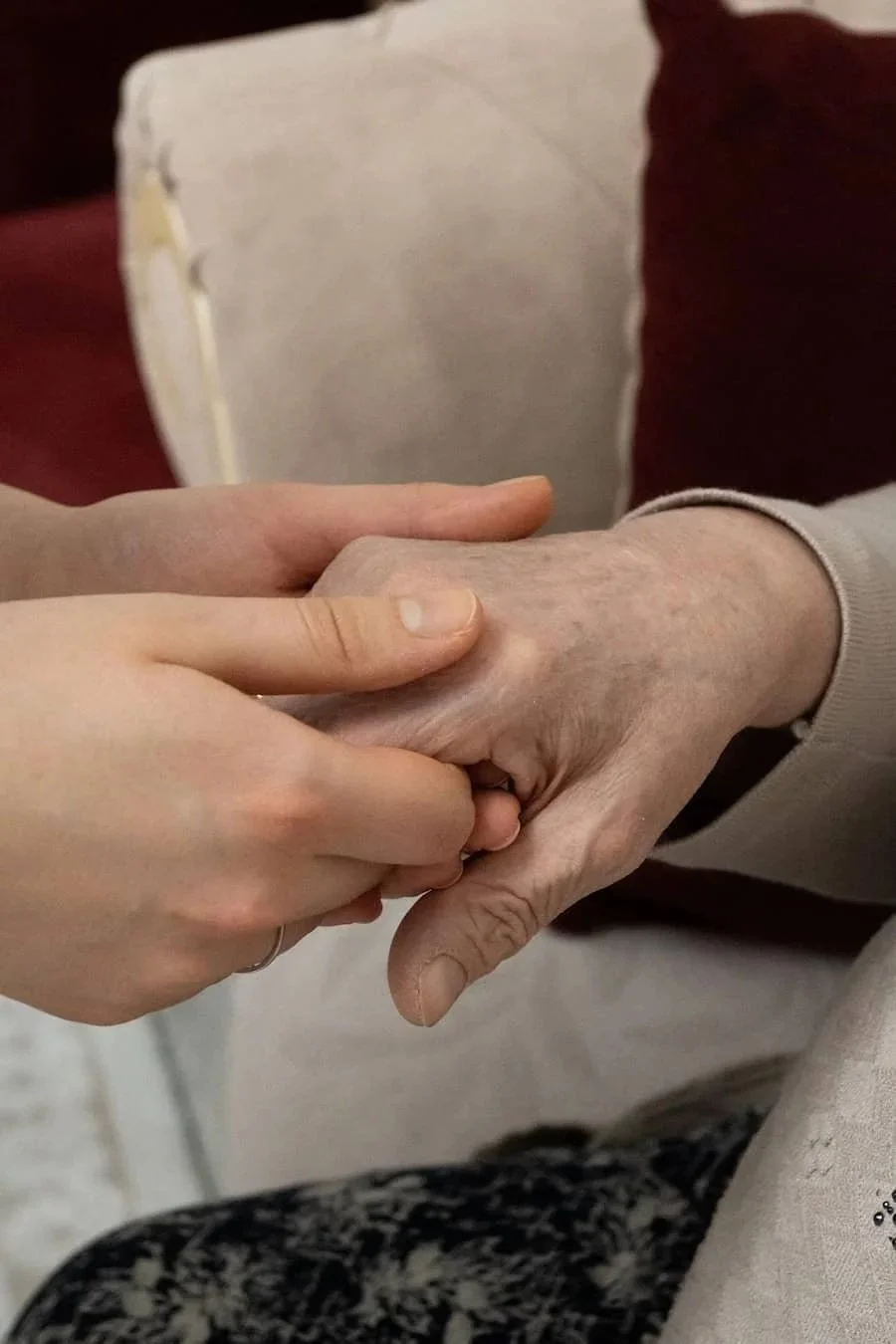
The Weight of Caregiver Stress
Caregiving stress is uniquely difficult because the demands are ongoing, unpredictable, and emotionally heavy. There’s often grief woven throughout the experience: watching someone decline, mourning who they used to be, or navigating a relationship that may have already been complicated before caregiving entered the picture.
That grief often goes unspoken because there’s always something more immediate to handle. But unprocessed stress tends to accumulate, showing up as exhaustion, emotional numbness, irritability, or resentment that can feel confusing when you genuinely love the person you’re caring for.
Naming What You’re Carrying
One of the most important things caregivers can do is honestly acknowledge the emotional and physical cost of caregiving. Many people convince themselves that this is just what you do for family, or that their family took care of them, so now it’s their turn to return the favor. Those things may be true, but they don’t erase the reality that caregiving can also be incredibly hard.
You can deeply love someone and still feel overwhelmed. You can feel grateful for time with them while also grieving what caregiving has taken from your own life. And you can be dependable and still need to support yourself. Real self-care starts with allowing the full reality of the experience to exist, not just the parts that feel acceptable to admit.
Practical Things That Help
Getting help is one of the most important things caregivers can do, but it’s also one of the things people resist the longest. Whether that means involving family members more directly, hiring in-home help, using adult day programs, or eventually considering residential care, sharing the responsibility is not abandonment. It’s sustainability. Trying to do everything alone often leads to burnout, which affects both the caregiver and the quality of care being provided. Sleep also matters more than many caregivers realize.
Chronic sleep deprivation affects patience, judgment, emotional regulation, and physical health. Prioritizing adequate rest, even if it means adjusting schedules, asking for overnight help, or letting some tasks go unfinished, is essential. Maintaining some connection to the parts of your life outside of caregiving is equally important. Friendships, hobbies, exercise, quiet time, or even a few hours a week that belong entirely to you are not luxuries. They help preserve your identity beyond the caregiving role.
The Relationship Matters Too
Caregiving changes relationships. The parent who once cared for you may now depend on you in ways neither of you imagined. That role reversal can bring grief, frustration, tenderness, and guilt all at once. It’s easy for the relationship to become entirely task-focused: medications, appointments, meals, logistics. But moments of real connection still matter. Asking about memories, sharing conversation, or simply being present together can help preserve emotional closeness amid the responsibilities.
Seeking Additional Support
Sometimes caregiving stress crosses the line from difficult into something more serious. Persistent exhaustion, emotional numbness, worsening anxiety, resentment, or declining physical health are signs that the load has become too heavy to carry alone. Those signs don’t mean you’re failing or that you love the person less. They mean you need more support.
If you’re caring for an aging parent or relative and feeling overwhelmed, working with an individual therapist can help you process the emotional weight of caregiving and grief, create healthier boundaries, and find ways to sustain the role without losing yourself in the process.