
What Does Depression Look Like in Men vs. Women?
Depression affects millions of adults each year, yet it does not look the same in every person. Symptoms in men and women vary enough that the condition can be easy to miss. Some people expect sadness and tears, while others show anger, fatigue, or physical pain instead.
Gender does not decide who gets depressed, but it can affect how symptoms appear. Knowing these differences helps families, partners, and friends spot warning signs sooner. It also helps people get the right care before symptoms grow worse.
Symptoms in Men vs. Women: Key Differences
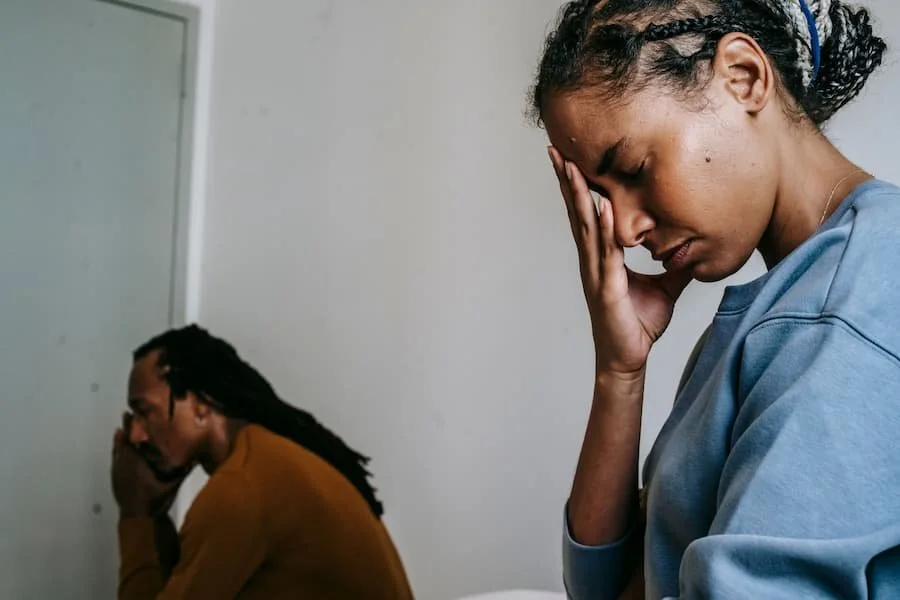
Both men and women can experience the core symptoms of depression. These include low mood, loss of interest, sleep problems, and trouble focusing. However, on the surface, these symptoms can present differently. Doctors and researchers see these different patterns in clinical settings worldwide.
Women receive a depression diagnosis about twice as frequently as men. Still, experts believe many men go undiagnosed because their symptoms do not fit the classic picture. Men also die by suicide at much higher rates than women. For this reason, paying attention to differences in depression symptoms in men and women can help save lives.
Recognizing Depression in Men
Many men with depression do not describe themselves as sad, often pointing instead to physical exhaustion, feeling burnt out, or just being stressed. Typically, the signs of depression in men tend to show up as:
Irritability, anger, or a short temper
Risky behavior, such as reckless driving
More drinking or drug use
Physical symptoms, such as headaches, stomach problems, or back pain
Working long hours to avoid problems at home
These signs can look like stress or a bad attitude, so loved ones may overlook them. Many men also feel pressure to appear strong and in control. As a result, they may avoid talking about emotions or seeking help.
Common Signs of Depression in Women
While men often express depression through outward behavior, women frequently internalize their emotional pain. The unique ways depression manifests in women include:
Persistent feelings of sadness, guilt, or worthlessness
High levels of anxiety or frequent panic
Sudden changes in appetite and unexpected weight gain
Sleeping far more than usual or struggling to stay awake
Withdrawing from social life and cherished hobbies
Because women tend to direct these painful emotions inward, they often end up blaming themselves rather than reaching out for help.
Reasons These Differences Exist
Biology plays a part in depression symptoms in men versus women. Hormone changes during puberty, pregnancy, after childbirth, and during menopause can raise a woman’s risk. Conditions like postpartum depression and premenstrual dysphoric disorder are specific examples.
Social expectations matter too. From a young age, boys learn to hide sadness and push through their emotional pain. This habit can make the signs of depression in men harder to spot, even for the men themselves. Girls, on the other hand, tend to receive more permission to talk about emotions.
Life stress also plays a role. Caregiving duties, work pressure, money problems, and relationship conflict can all raise the risk of depression for anyone. Grief and trauma are other factors that can influence depression.
Tailored Approaches Help
Depression responds well to treatment, no matter how it appears. Therapy, including cognitive behavioral therapy (CBT), dialectical behavior therapy (DBT), and interpersonal therapy, can help people manage symptoms.
Knowing the differences in depression symptoms in men versus women makes it easier to reach out at the right time. Some people also benefit from a medical checkup to rule out other causes, such as thyroid problems.
If you’d like to know more about the difference between men’s and women’s depression, get in touch. Finding specialized therapy for depression tailored to your symptoms can help you regain control of your life.
Anyone who has thoughts of suicide should call or text 988 right away.