

Postpartum Therapy
in Aurora, Oswego, and Crest Hill IL
Is The Journey To Parenthood More Tumultuous Than You Expected?
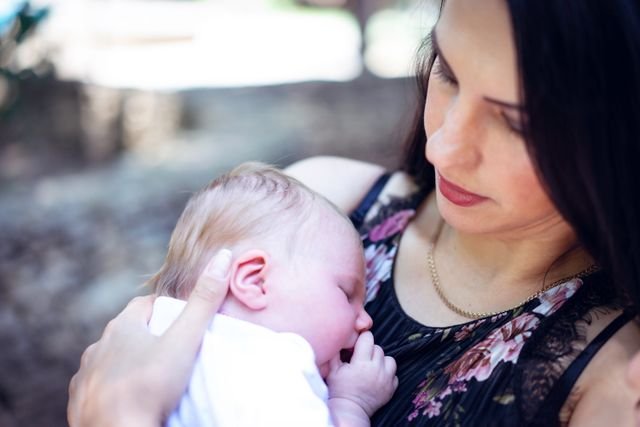
Despite what we see in the movies and social media, parenthood isn’t an exclusively joyful experience, and it certainly isn’t an effortless journey.
Challenges with infertility, complications with childbirth, pregnancy loss, the sudden and chaotic transition into parenthood, the sheer psychological and physical trauma of labor and delivery—that’s no walk in the park for anyone.
Somewhere, deep down, you know that, but perhaps you still feel guilty or ashamed because you just can’t seem to connect with the sense of beauty and joy that you see other new parents experiencing.
Instead of being excited, you may feel so sad, worried, overwhelmed, or exhausted that you’re starting to wonder if you’re even cut out for motherhood.
Family-Building Can Be A Complex Journey
Whether you’re coming into therapy as a hopeful mother-to-be who’s having trouble conceiving, a new father secretly struggling with anxiety/depression, or an LGBTQ couple navigating the in vitro process, perinatal and postpartum challenges can affect anyone.
Maybe you’re frustrated and tired of doctor visits where you’re poked so much you feel like a pin cushion. Perhaps you’re sleep-deprived from getting up in the middle of the night to soothe a crying infant. Or maybe changes in your body, social life, or intimacy levels have left you feeling isolated and disconnected from yourself, unsure of who you even are anymore.
If you’re overwhelmed by the family-building journey in any way—whether you’re experiencing anxiety, depression, grief, or birth-related trauma—postpartum therapy can offer relief and support. Whatever brings you to Waterford Counseling Services, our perinatal/postpartum therapists are here to help you heal and discover a newfound sense of hope, confidence, and joy.

Society Creates Unrealistic Expectations For Childbirth And Motherhood
We’re immersed in a culture that loves to glamorize everything, especially difficult journeys like pregnancy and parenthood. Movies, TV, celebrity supermoms, social media, the “Good Mother” consumer industry—it all feeds into this idea that conception, childbirth, and motherhood should be effortless and blissful.
That puts tremendous pressure on people to feel happy and grateful, even when they’re struggling. When you combine those stressors with limited support systems, financial or work-related stress, fertility challenges, difficult birth experiences, and the pressure to “do it all,” the result is often anxiety, depression, grief, and feelings of inadequacy.
Despite The Overwhelm, Many People Overlook Postpartum Therapy
A lot of people minimize their symptoms or hesitate to seek support due to guilt, shame, stigma, or the belief that they should be able to manage on their own. The demands of pregnancy, postpartum recovery, fertility treatment, or caring for a new baby can also leave little time to prioritize mental health, allowing symptoms to persist or become more difficult to manage.
We also don’t talk nearly enough about men and their experiences with postpartum, so there’s an entire segment of the population that is often being left out of the conversation. The truth is, postpartum challenges affect everyone in the family—and therapy should reflect that.
With the support of a compassionate, insightful postpartum counselor, you can learn how to reduce stress and harmonize self-care, even with an infant at home. You can improve your capacity to accept and communicate new feelings to your partner, and instead of trying to do it all yourself, you’ll discover new, effective ways to ask for help.

Postpartum Therapy Can Help You Rediscover The Joy Of Family-Building
When it comes to perinatal mental health, emotional challenges can arise throughout the entire family-building journey, from the antenatal period to late postpartum stages. Our goal is to provide a compassionate, inclusive, and trauma-informed space where clients—regardless of gender, marital status, or sexual orientation—feel heard, validated, and supported.
Sadly, for too many people, the road to parenthood is complicated by experiences that can often feel isolating or difficult to discuss. That’s why we’re here—for you, your partner, and anyone else searching for a way back to a sense of hope, joy, and optimism.
What Does Postpartum Counseling Look Like?
During sessions, we’ll work with you collaboratively to understand your unique emotional challenges and how these concerns are impacting your daily life, relationships, and sense of self. As we get to know each other, we’ll explore things like:
Previous experiences with infertility, pregnancy, childbirth, or perinatal loss
The expectations you have for yourself, the pregnancy journey, and parenthood
Changes in relationships, intimacy levels, self-care routines, or body image
Mood changes, negative feelings about yourself, or shifting perspectives on motherhood
Together, we’ll develop individualized goals focused on reducing distress, strengthening coping skills, and overcoming difficult experiences. Whatever you are going through, we’ll be here to fortify your confidence, nourish your resilience, and offer you emotional support throughout this wonderful, yet often challenging, journey of bringing new life into our world.
Some Of The Strategies And Approaches Used In Postpartum Therapy
It’s estimated that 33 percent of women (that’s one in three!) experience symptoms of psychological trauma resulting from childbirth, with 3 to 18 percent across all risk populations meeting the threshold for an official CB-PTSD diagnosis.
That’s why we take a trauma-informed approach to postpartum therapy, acknowledging the huge mental and physical toll of childbirth. When appropriate, we may use:
Psychoeducation to help you understand what you’re going through—the shifting hormone levels, changes in your body, the emotional overwhelm—while validating and normalizing those experiences.
Mindfulness, Grounding Techniques, and Regulation Skills for calming the nervous system, reducing stress, and preventing the inward spiral toward shame, guilt, and self-doubt.
Grief Support for navigating everything from infertility and neonatal loss to unexpected shifts in identity, freedom, lifestyle, and intimacy with your partner.
Cognitive Behavioral Therapy (CBT) strategies for restructuring negative beliefs or critical self-talk, like “I’m a bad mother,” or “I must not be cut out for this,” into more realistic, validating, and compassionate reflections of your situation.
EMDR (Eye Movement Desensitization and Reprocessing) Therapy to help process traumatic memories and the overwhelming emotional distress inherent in pregnancy, birth, infertility, pregnancy loss, and postpartum experiences.
With The Right Support, It Is Possible To Feel More Like Yourself Again
Working with a perinatal/postpartum therapist can help you better understand your emotions while developing more effective ways to cope with stressors. It offers you compassionate, targeted support for processing painful or traumatic experiences and feeling more confident in overcoming difficult hurdles.
Regardless of your situation, you do not have to navigate these challenges alone—we’re here to guide you toward healing, connection, and greater emotional well-being.
Still Have Questions About
Postpartum Therapy?
I should be happy, so why am I struggling?
Despite the countless idealistic narratives our society has created, childbirth, pregnancy, and parenthood are not easy. With the wild hormonal shifts, erratic sleep schedules, and evolving relationship roles, this stage in life can elicit many powerful and complex emotions at once.
Experiencing anxiety, depression, grief, anger, or feelings of overwhelm does not mean you are ungrateful or a bad parent. Therapy provides a supportive, judgment-free space to sort out these emotions, free yourself from shame and guilt, and develop healthier ways to cope.
Are my feelings serious enough to need postpartum therapy?
You do not have to wait until you are in crisis to seek support. If anxiety, depression, grief, intrusive thoughts, or stress are affecting your daily life, relationships, or ability to function, postpartum counseling can help.
Even if you just don’t feel like yourself anymore and miss your “old life,” seeking support early can provide you with tools to better understand what you are experiencing and manage the steps ahead.
Will therapy for infertility, pregnancy loss, or a traumatic birth make me feel worse?
Feeling hesitant about discussing painful experiences is completely understandable. As postpartum/perinatal counselors, we know how important it is for therapy to move at a pace that feels safe and manageable, especially when involving such delicate topics.
You’ll never be expected to share or confront anything you’re not ready to. Together, we can build coping skills and talk about immediate stressors as we gradually build our way toward processing difficult experiences and reducing their emotional impact.

Let Us Help You Rediscover The Joy Of The Family-Building Journey
If you feel stressed out, sad, or discouraged because motherhood doesn’t look the same for you as “everyone else,” therapy can give you a space to process it all and find hope again. When you’re ready, reach out to our postpartum therapists at Waterford Counseling Services to learn more—or to schedule your first appointment.
Additional Resources For Support Outside Of Waterford Counseling
If you would like immediate emotional support, parenting advice, or access to additional perinatal/postpartum resources, compassionate and knowledgeable staffers stand by to help at the warm line below:
1-800-944-4773
Press #2 for Spanish
Text: Help to 800-944-4773 for English.
Waterford Counseling Services offers in-person Postpartum Therapy in Oswego, Crest Hill, and Aurora with virtual support available to clients throughout Illinois.
Therapists Who Can Help

Recent Posts

Postpartum Therapy
Aurora, IL
1256 Waterford Dr #140, Aurora, IL 60504
Postpartum Therapy
Oswego, IL
1022 Douglas Rd #9865, Oswego, IL 60543
Postpartum Therapy
Crest Hill, IL
16151 Weber Rd Ste LL80, Crest Hill, IL 60403