
Why Do Some People Recover from Trauma While Others Struggle? – Gary Coleman
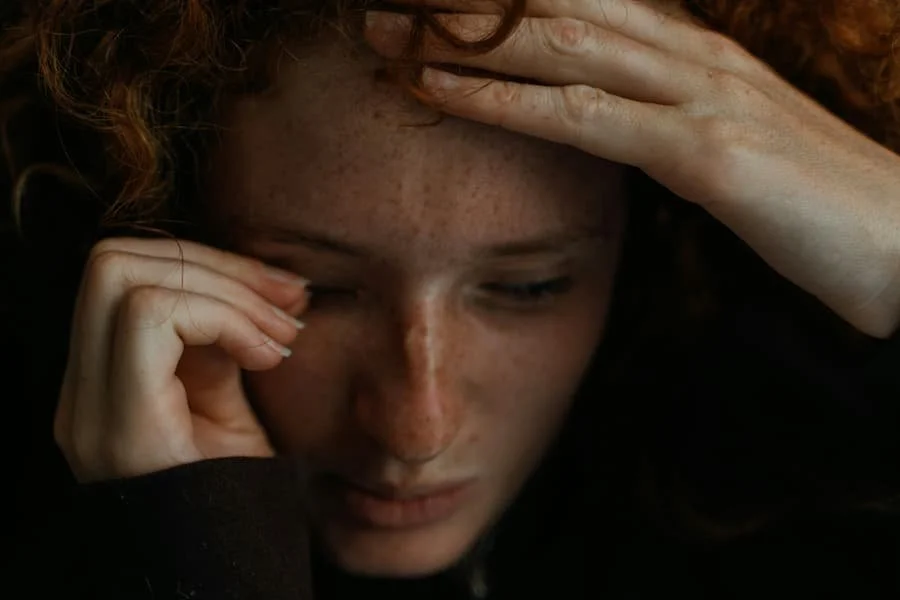
Two people can live through the same car accident or the same house fire, yet months later one is sleeping through the night while the other still jumps at every siren.
Recovery Is Common, and So Is Getting Stuck
After a frightening event, nearly everyone is shaken. Poor sleep, a racing heart, irritability, and unwanted images of what happened are all ordinary responses in the first days and weeks. These reactions are the body’s way of staying alert to danger. For many people, they fade as the nervous system settles and life regains its rhythm.
For others, the reactions hold on or grow stronger. When symptoms last longer than a month and begin to interfere with work, relationships, or rest, post-traumatic stress disorder (PTSD) may be part of the picture. Only a qualified clinician can make that diagnosis, which is one reason a careful evaluation matters.
What Shapes the Difference
Several factors play a part, and none of them measure character. The nature of the event counts. A single incident, however frightening, often leaves a different mark than harm that was repeated, that came from someone trusted, or that happened in childhood.
What came before also matters. A person already carrying grief, chronic stress, or earlier trauma has less room to absorb one more blow, much like a boat already low in the water. Each earlier burden draws on the same reserves of energy and calm.
Then there is what happens afterward, and this may be the most overlooked piece, because a person who is safe, rested, believed, and surrounded by people who listen is in a very different position from one who returns to an unsafe home, is told to move on, or has to keep functioning without any chance to process what happened. Support after the event is part of how recovery works, and it can change the course of healing from the very first week.
Why Some People Get Stuck
Two patterns show up again and again, and the first is avoidance. Steering clear of reminders, whether places, conversations, or even thoughts, brings relief in the moment. However, it also keeps the fear alive because the mind never gets the chance to learn that the reminder is no longer dangerous.
The second is self-blame. Thoughts like “I should have seen it coming” or “I should have fought back” can feel like facts, even though they are conclusions drawn by a frightened mind looking back with information it did not have at the time. These beliefs can keep a person tense and ashamed long after the danger has passed.
Does struggling mean someone handled the event badly? No. It means the event, the person’s history, and their circumstances combined in a way that left the stress response switched on.
What Helps
Trauma is treatable, and people who have struggled for years can still recover. Cognitive behavioral therapy (CBT) helps people examine painful beliefs such as self-blame and gradually face situations they have been avoiding, one manageable step at a time.
Eye movement desensitization and reprocessing (EMDR) takes a different route. The therapist guides the person to briefly bring a distressing experience to mind while following side-to-side stimulation, such as eye movements, which can help the experience settle as something that happened in the past rather than something still happening now.
Neither approach asks anyone to relive everything at once. Good treatment moves at a pace the person can tolerate, and it usually begins with simply understanding what is going on and why.
Trauma counseling gives people a place to make sense of their reactions and build a path toward feeling safe again. Reaching out early can make that path feel less lonely. Schedule a consultation to talk with one of our clinicians about what the next step could look like.